
With Michelle Barone, NP
While online booking with Michelle Barone is not available, we encourage you to fill out the form below to request an appointment. Once received, our team will be in touch.

A tongue-tie release is designed to improve tongue movement when a tight or restrictive band of tissue limits normal oral function. In infants, tongue ties can affect breastfeeding, bottle feeding, latch comfort, and tongue mobility. A tongue-tie release uses a gentle laser procedure to reduce restriction and support more natural tongue movement, which can support oral development, swallowing, and feeding comfort as a child grows.


Michelle specializes in treating patients with tethered oral tissues (tongue/lip/cheek ties). She performs comprehensive health assessments, including infant feeding assessments, and performs a procedure to release tethered oral tissues using a specialized CO2 laser.
With a deep understanding of tongue function and its impact on the development of our mouth, facial structure, and upper airway, Michelle has a special interest in studying the systemic health consequences of oral restrictions, oral dysfunction, and underdeveloped jaws, which contribute to common medical conditions like, jaw joint (TMJ) dysfunction, Upper Airway Resistance Syndrome (UARS), Obstructive Sleep Apnea (OSA), and Attention-Deficit or Hyperactivity Disorder (ADHD).
As an invited lecturer, she is committed to educating other healthcare professionals about oral restrictions and the connection to our airway, breathing, and overall health.
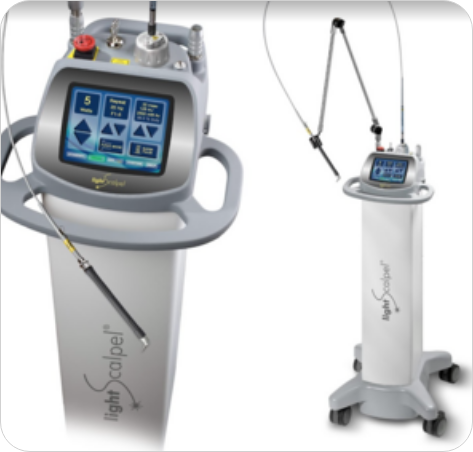
We are proud to use a specialized laser for the procedure, which produces less discomfort and makes it extremely quick and efficient. It also keeps swelling to a minimum while reducing the risk of infection.
The biggest benefit of this particular laser is the reduced scar tissue. This means less re-attachment after healing and a better long-term outcome.
If possible, Michelle prefers to see the baby being fed (breast or bottle) during the appointment.
We have comfortable private rooms and change tables available for you, and we typically schedule one-week follow-ups after the procedure.
Managing a schedule with infants can be challenging. We will try our best to see you at your scheduled appointment, but appointment times may vary slightly.
Thank you for your patience!
We recommend bringing a bottle of either infant Tylenol (if <6 months of age) or infant Advil (if >6 months of age) to be given after the procedure is completed.
Assessment and treatment (including all tethered oral tissues): $900
Assessment: $250
Treatment only (if completed at a separate appointment within 3 months of the assessment): $650
*Fees subject to change.
Healthcare Professionals:
For breast or bottle-fed infants:
For breast or bottle-fed infants:
If breastfeeding:
Some parents notice feeding difficulties, latch challenges, clicking sounds during feeding, frustration while feeding, or limited tongue movement. These concerns do not always mean treatment is necessary. Michelle performs functional assessments designed to evaluate whether oral restriction may be contributing to feeding or movement concerns in infants.
This treatment is commonly performed for infants when oral restriction is affecting feeding or function. Michelle carefully evaluates each child individually before recommending treatment. Families receive detailed information about the procedure, healing expectations, and follow-up support to help them feel comfortable and informed throughout the process.
Healing time varies for every infant, but many families notice improvement gradually during the days and weeks following treatment. Parents may receive feeding guidance and home care instructions to support healing and oral movement. Follow-up visits help monitor progress and provide continued support during recovery and feeding adjustments.
Yes, follow-up appointments are commonly recommended after treatment to monitor healing and oral function. Michelle works closely with families during these visits to answer questions, assess feeding progress, and provide ongoing guidance. Continued support can help parents feel reassured as their child adjusts following the procedure.
Some families notice improved feeding comfort, latch quality, or tongue mobility after treatment. However, every child responds differently depending on their specific needs and feeding patterns. Ongoing support, observation, and feeding guidance may continue after treatment to help families navigate feeding progress and oral development over time.
By submitting this form, you agree to receive communications from Evergreen Dental Care. You may unsubscribe at any time.
Can’t find an appointment time that works using our online scheduler? Fill out this form, and our team will be in touch soon!
"*" indicates required fields
Enter your information below and we will email your guide right away!
Enter your information below and we will email your guide right away!
Enter your information below and we will email your guide right away!
Enter your information below and we will email your guide right away!
Enter your information below and we will email your guide right away!
Enter your information below and we will email your guide right away!
Enter your information below and we will email your guide right away!
Enter your information below and we will email your guide right away!
Enter your information below and we will email your guide right away!
Enter your information below and we will email your guide right away!
By submitting this form, you agree to receive communications from Evergreen Dental Care. You may unsubscribe at any time.