
A Collaborative Approach to Breathing, Function & Healthy Development
Healthy breathing and oral function involve much more than the teeth.
The position and function of the tongue, lips and jaw can influence breathing, swallowing, sleep, facial development and dental development. When concerns arise, we believe patients are best served by a team-based approach rather than having one provider try to manage every aspect of care.
At Evergreen Dental Care, we work closely with myofunctional therapists and orthodontists to help identify and address functional and structural concerns in both children and adults.
Our approach is simple:
Assess function → improve function → reassess → intervene when appropriate.
Why We Work With Myofunctional Therapists First
When a patient presents with concerns such as mouth breathing, low tongue posture, poor tongue mobility, snoring, oral dysfunction or a suspected tongue tie, we commonly recommend beginning with an evaluation by a qualified myofunctional therapist.
Myofunctional therapists are specifically trained to assess and treat the function of the tongue, lips, jaw and associated muscles.

This functional assessment is an important first step because releasing restrictive tissue (lip tie or tongue tie) does not automatically create normal function.
In many patients, we first want to see improved tongue strength, coordination, resting posture and nasal breathing before considering any surgical intervention.

Establishing Healthy Breathing Patterns
Nasal breathing is a crucial component of healthy oral and airway function.
When a patient consistently breathes through their mouth, we want to understand why.
There may be contributing factors involving nasal airway obstruction, oral posture, tongue position, muscle function or other structural concerns.
A myofunctional therapist can work with the patient to develop improved:
Nasal breathing → tongue posture → lip seal → oral muscle function → swallowing patterns
Once these foundational skills are established, we can reassess whether additional treatment is appropriate.
Function Comes First
A tongue-tie or lip-tie release is not recommended simply because a frenulum looks tight. We consider how the tissue may be affecting function and whether a release is appropriate as part of the patient’s overall treatment plan.
If a myofunctional therapist identifies a significant functional restriction, and the patient appears to be an appropriate candidate for release, we can work together to determine whether a frenectomy may be beneficial.

Precise Soft-Tissue Treatment When Indicated
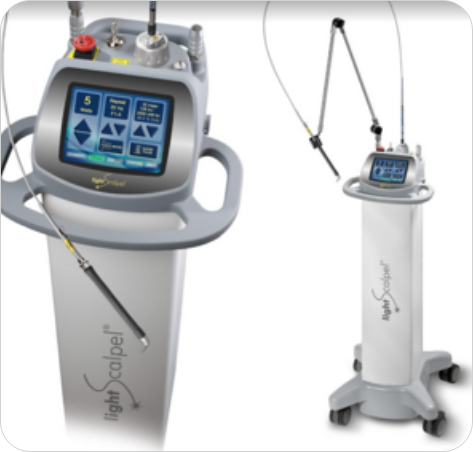
For patients who are determined to be appropriate candidates for a tongue or lip release, we use a CO₂ light scalpel laser.
The laser allows for precise treatment of the restrictive tissue while minimizing disruption to surrounding tissues.
Therapy Is an Important Part of the Process
When a release is recommended, myofunctional therapy can play an important role both before and after treatment.
Pre-release therapy can help the patient develop the skills needed to use their tongue and oral muscles more effectively.
This may include working on:
Preparing these muscles before a release can help establish a stronger functional foundation and also makes the tissues under the tongue easier to identify during the surgery.
Following the procedure, the patient continues working with their myofunctional therapist to help integrate the increased range of motion into everyday function. It is also crucial to work with the myofunctional therapist to ensure stretches are being done to prevent the risk of reattachment.
If a patient has a narrow palate, constricted dental arches, crossbites, significant crowding or set back lower jaws, we may collaborate with an orthodontist to determine whether orthodontic treatment or palatal expansion should be considered.
Different Professionals. One Patient.
Airway and oral-function concerns can involve several areas of healthcare.
Rather than trying to do everything within the dental office, we believe patients benefit from having the right professional involved at the right stage of care.

Often the starting point for evaluating tongue, lip and orofacial muscle function and establishing healthy nasal breathing and oral posture.
Evaluates dental and oral structures, identifies potential anatomical restrictions and performs tongue or lip releases when clinically indicated.
Evaluates dental arch development, palate, bite and skeletal relationships and determines whether orthodontic treatment or expansion may be appropriate.
When symptoms suggest a medical or sleep-related concern, appropriate medical assessment and management by ENT may also be necessary.
If you have concerns about your child’s or your own breathing, oral function, tongue mobility or dental development, reach out to Archway Myo for your initial assessment.
Can’t find an appointment time that works using our online scheduler? Fill out this form, and our team will be in touch soon!
"*" indicates required fields
Enter your information below and we will email your guide right away!
Enter your information below and we will email your guide right away!
Enter your information below and we will email your guide right away!
Enter your information below and we will email your guide right away!
Enter your information below and we will email your guide right away!
Enter your information below and we will email your guide right away!
Enter your information below and we will email your guide right away!
Enter your information below and we will email your guide right away!
Enter your information below and we will email your guide right away!
Enter your information below and we will email your guide right away!
By submitting this form, you agree to receive communications from Evergreen Dental Care. You may unsubscribe at any time.
By submitting this form, you agree to receive communications from Evergreen Dental Care. You may unsubscribe at any time.